

Tarpaulin Roof System: $5.6 Billion Target
PVC Sheet Tarpaulin Roof System: Heading for $5.6 Billion by 2033
Let's start with a number. In 2026, the global PVC sheet tarpaulin roof system market sat at US$3.5 billion. By 2033? It's aiming for US$5.6 billion. That works out to a steady 6.8% annual growth. Not bad for a product most people walk right past.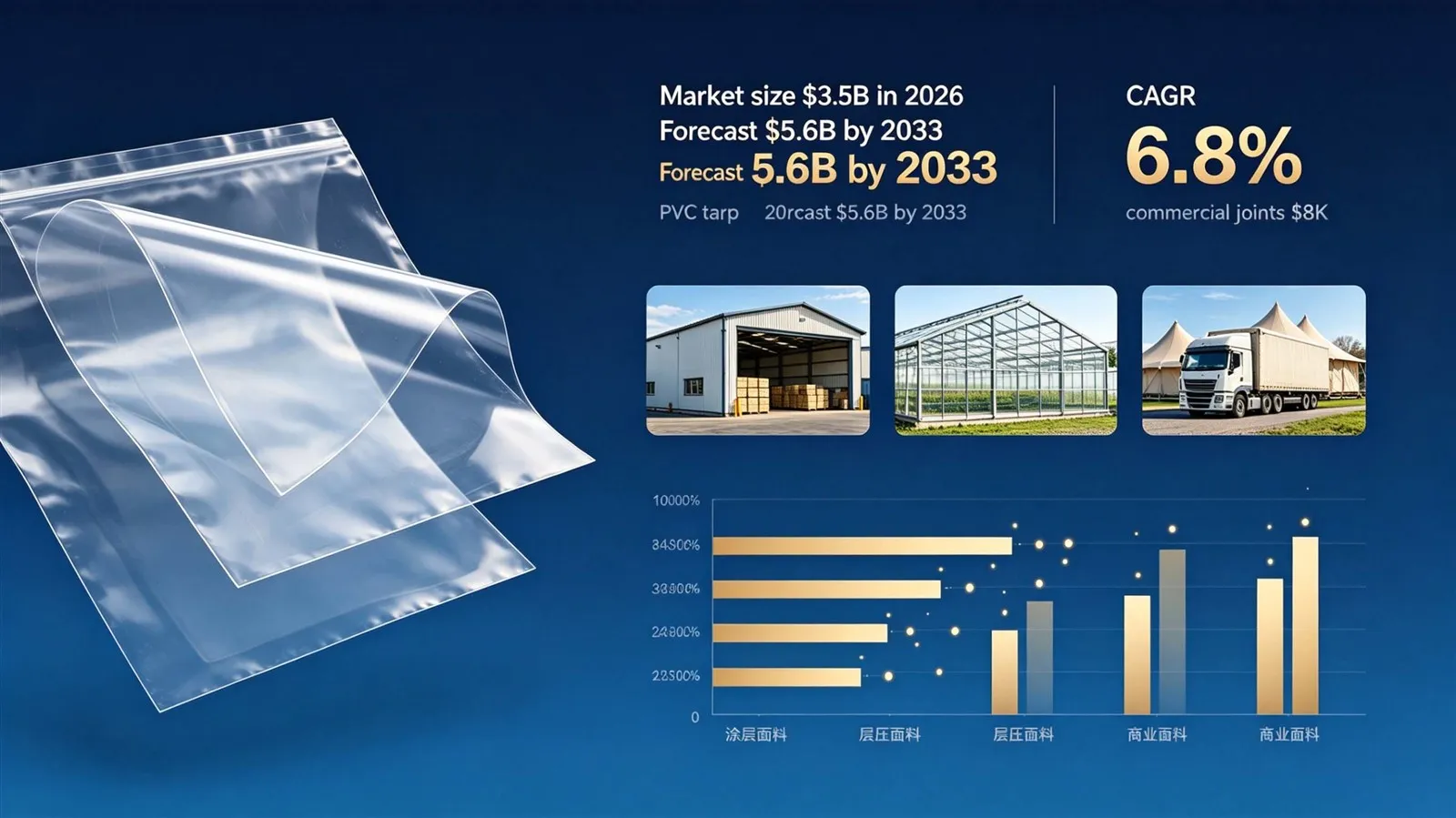
So what's driving it?
Two things, really: old roofs need replacing, and new warehouses keep popping up. Walk through any logistics park or expanding factory zone-nobody wants leaky, rusty tin sheets anymore. People want something that lasts, with less hassle.
That said, this isn't easy money. Let's be honest-the upfront cost stings. Regulations vary wildly depending on where you are. Some places have tight rules; others barely care. And in emerging markets? Half the time, nobody even knows this stuff exists. Throw in supply chain hiccups, and you've got both barriers and opportunities.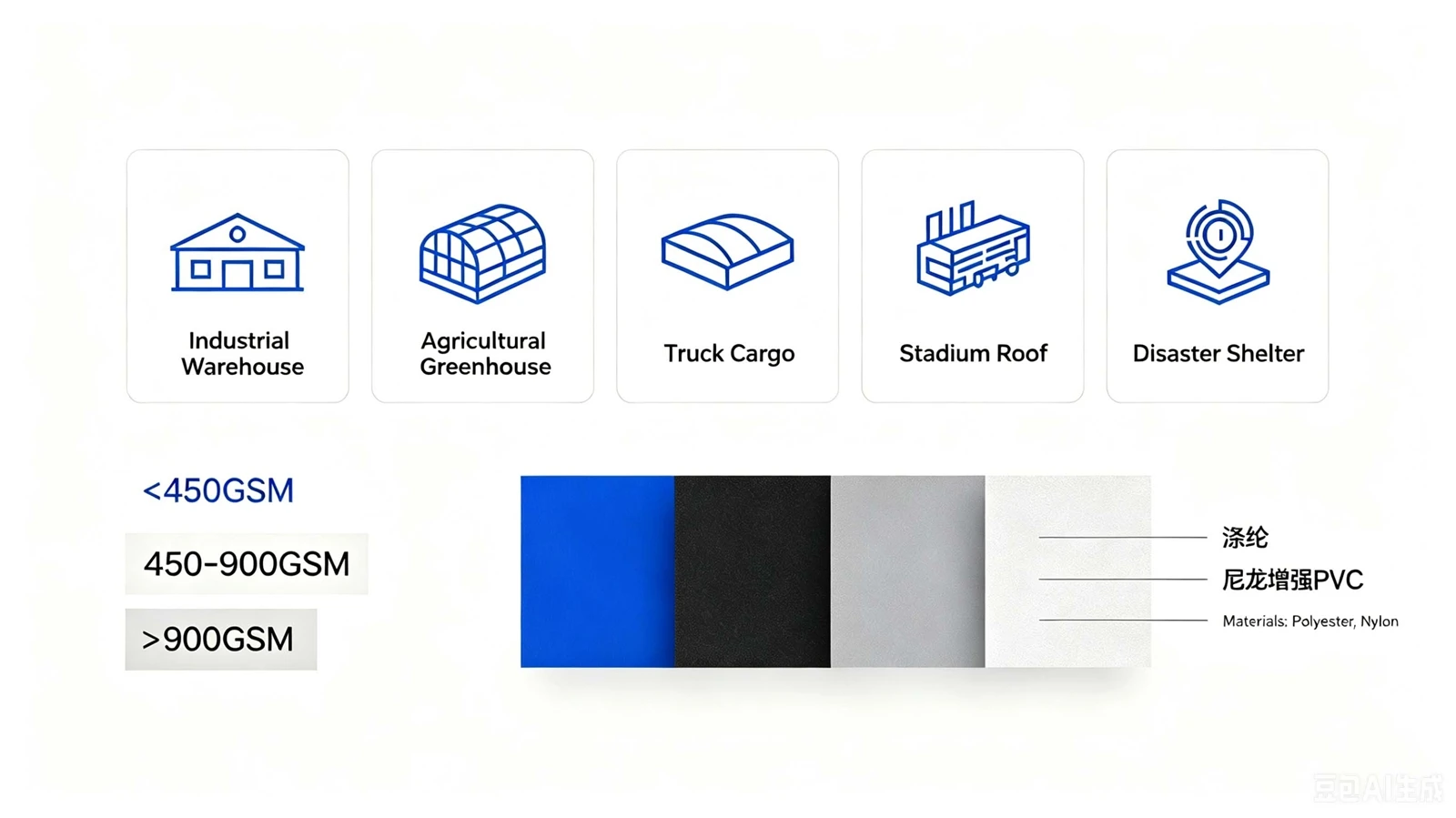
Which type sells best? Which grows fastest?
Two main categories. Coated fabric: tough, durable, built for permanent structures. Costs more, but people trust it. Laminated fabric: cheaper, good for short-term or temporary use. Does the job.
As for applications? Industrial and commercial buildings take the biggest slice-logistics warehouses and factory expansions keep the orders coming. But the real dark horse? Agriculture. You heard that right. Greenhouses, crop covers-more growers are specifying PVC sheeting every year. Beyond that: truck covers, container liners, stadium roofs, event tents, disaster relief shelters. You name it.
Thickness matters too. Light duty (under 450 GSM) for casual use. Medium duty (450–900 GSM) does the heavy lifting. Heavy duty (over 900 GSM)? With extreme weather getting worse, critical infrastructure is starting to demand it. As for substrate, polyester-reinforced PVC is the mainstream choice. Nylon-reinforced exists, but it's less common.
Who's playing in this space?
A long list, honestly. The usual suspects: Sioen, SergeFerrari, Heytex, Mehler-the European names with the deepest tech. China's not sitting out either: Zhongshan, Hongyuan, Daedong have carved out real share. Then you've got giants like Saint-Gobain and Trelleborg stepping in. Competitive, sure. But not a knife fight. Not yet.
ESG? More than just talk
Truth be told, a few years ago "sustainability" was mostly lip service. Not anymore. Clients, investors, even insurers-they're all watching your carbon footprint and supply chain transparency. How efficiently do you manufacture? Can you trace your raw materials? Lowering emissions is now written into procurement contracts. If you don't get ESG, good luck even bidding.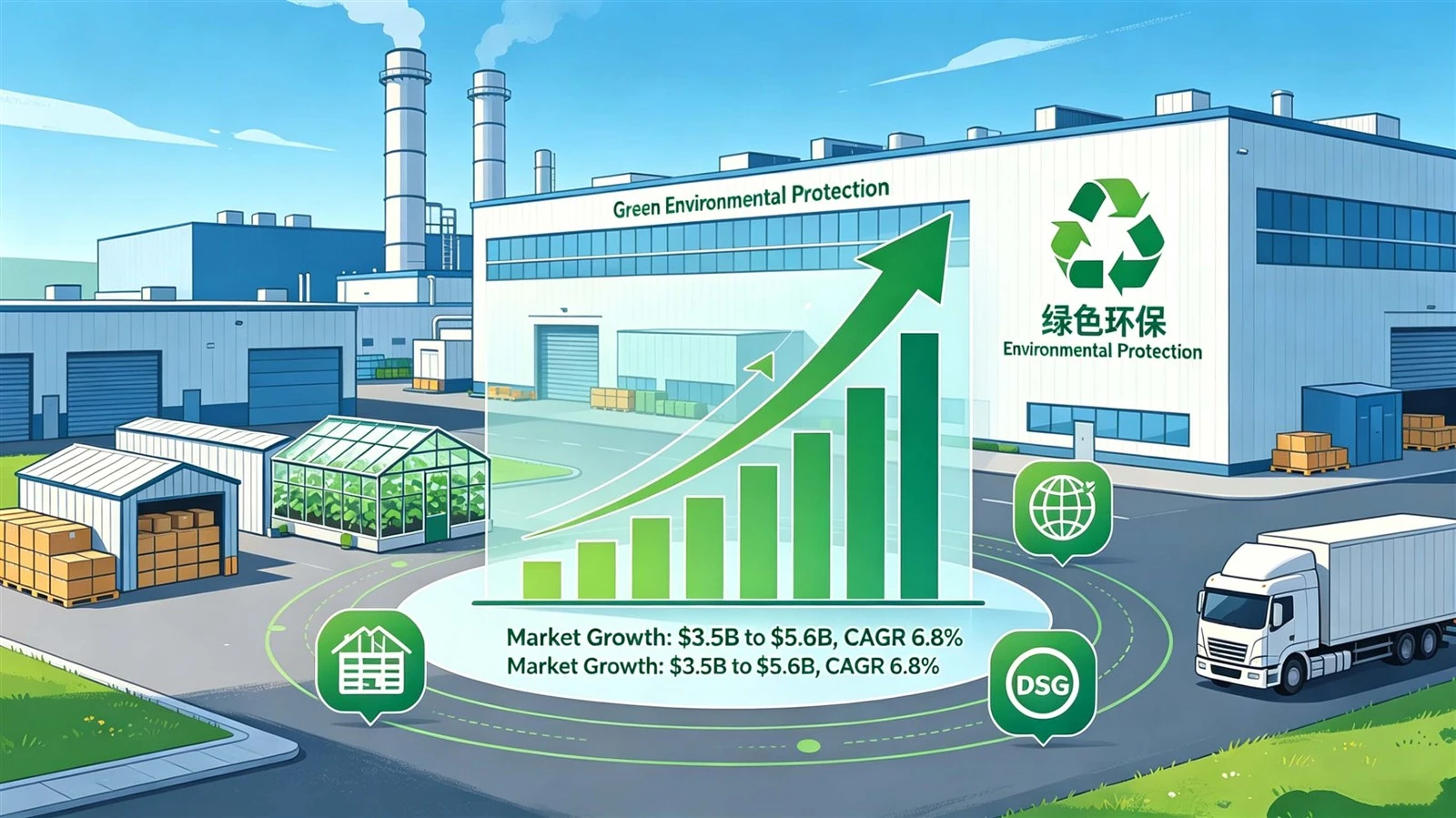
Where do these numbers come from?
We don't guess. Here's the process: cast a wide net for data, then dig into every discrepancy. Cross-check. Verify through credible sources. Then analysts position the data points and size the market. Finally, validate and publish. In plain English? Every page has been argued over and fought for.
From construction to agriculture, from emergency shelters to permanent stadium roofs-how big can this market get? The numbers just told you.
Previous: No Information